Why first-fit integration matters in modern mining trucks
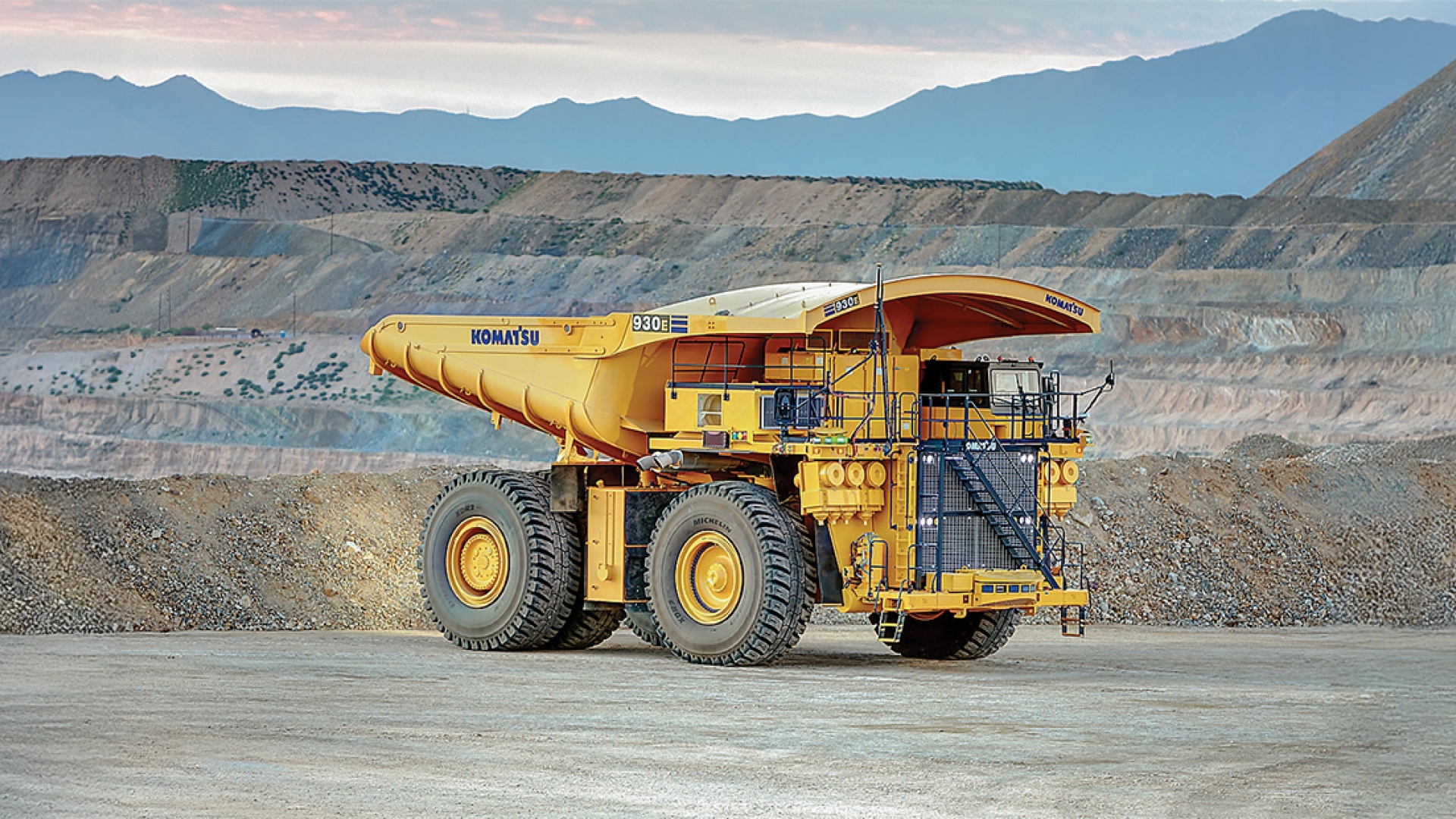
Today’s mining engines are more advanced than earlier versions of the same platforms, with many upgrades that support dependable performance, improve fuel economy and ultimately help lower total cost of ownership (TCO). At the same time, leading mining original equipment manufacturers (OEMs) continue to introduce truck technologies that influence engine performance and enhance fuel economy. That makes close first-fit integration between engine and vehicle more important than ever.
When Cummins works closely with OEM partners like Komatsu, miners get more than a strong engine or capable truck. They get an integrated system designed to help major components work together more efficiently.
The Evolution of Mining Engine and Equipment Integration
Mining engine and equipment technology keeps evolving. Today, the engine is part of a larger ecosystem that connects with cooling systems, fuel delivery, air handling and lubrication. It takes everything working together to support efficiency and reliability.
Cummins continues long-standing partnerships with leading OEMs. These close engineering relationships help ensure the engine is fully integrated and optimized within the vehicle from the start. That first-fit approach matters because fuel economy and TCO improvements often come from the interaction between systems — not one component alone.
For example, Komatsu’s 930E-5 is delivering a 15% fuel consumption advantage over the previous 930E-4 model through engine/equipment synergy. Komatsu’s Fuel Saver 2 software helps optimize fuel economy and torque management for electric-drive mining haul trucks, while Cummins developed a custom engine calibration for the truck to work with those vehicle-level features. As a result, the full fuel-saving benefit of the 930E-5 package is realized with Cummins engines because the engine calibration and truck systems were optimized together.
Other vehicle systems, such as on-demand wheel motor cooling, also help reduce energy loss from constantly running fans. These improvements may sit outside the engine itself, but they still affect how efficiently the complete truck operates.
The Evolution of Mining Engine Technology
While some fuel economy improvements are due to vehicle integration advantages, much come from continued innovation within the engine itself. Over time, Cummins has advanced fuel systems, calibration strategies, service interval planning and connected monitoring tools to help mining engines operate more efficiently.
Fuel System Updates
Since 2008, the Modular Common Rail Fuel System (MCRS) has been standard on Cummins high-horsepower mining engines. Some operators may still run older fleets — and may be more familiar with the earlier HPI fuel system — but today’s engines use MCRS technology to deliver more precise fuel control, stronger combustion performance and measurable TCO improvements.
With higher injection pressure and larger accumulator volume, MCRS enables better fuel economy, reduced particulate matter, enhanced engine performance, extended engine life, quick start capability, improved transient response and smoother, quieter operation. In fact, Cummins customers report fuel savings in the field between 3-5%.
Application-specific Fuel-optimized Calibrations
For years, mining engines were delivered with relatively standardized fuel calibrations designed to perform across a wide range of sites and duty cycles. Today, calibrations are increasingly application-specific, matching horsepower, torque curves and fueling strategies to real mine conditions such as elevation, ambient temperature and haul profile. That alignment helps improve combustion efficiency, reduce unnecessary thermal loading and support better fuel economy and performance.
In 2022, one Cummins mining customer realized a 7% fuel economy gain through custom calibrations across the fleet, saving 17 million liters of fuel and $16 million per year.
Changes to Service Intervals
Maintenance schedules have historically prioritized protection through fixed intervals. Today, Cummins is using field data and customer input to refine those strategies — helping extend service intervals and, in some cases, eliminate certain requirements. For example, in the latest QSK60 platform scheduled for a 2027 release, there is no longer a requirement to change the injector at mid-life, based on operator input from the field.
Connected engine data expands that opportunity. Cummins PrevenTech®, combined with FleetguardFIT™ filtration and fluid-monitoring insights, gives operators and service teams visibility into engine health, oil condition, filter life and other indicators. That condition-based data can help mines better understand when service is needed, reducing unnecessary maintenance, protecting uptime and optimizing TCO.
Everything Works Together — Today and Tomorrow
The future of engine and equipment manufacturing will bring technologies even closer together. As operators work to improve efficiency and optimize TCO, it will be more important than ever to consider the latest engine and vehicle models — particularly from partners focused on first-fit optimization.
Cummins and Komatsu are continuing their collaboration into hybrid development, working together to engineer an integrated powertrain and vehicle system, helping miners pursue lower fuel consumption, improved productivity and reduced total cost of operations. When the engine, vehicle and supporting technologies are developed to work together, operators are better positioned to get the full value from every upgrade.
Author Profiles