Complete Brake Repairs: Why the whole system matters
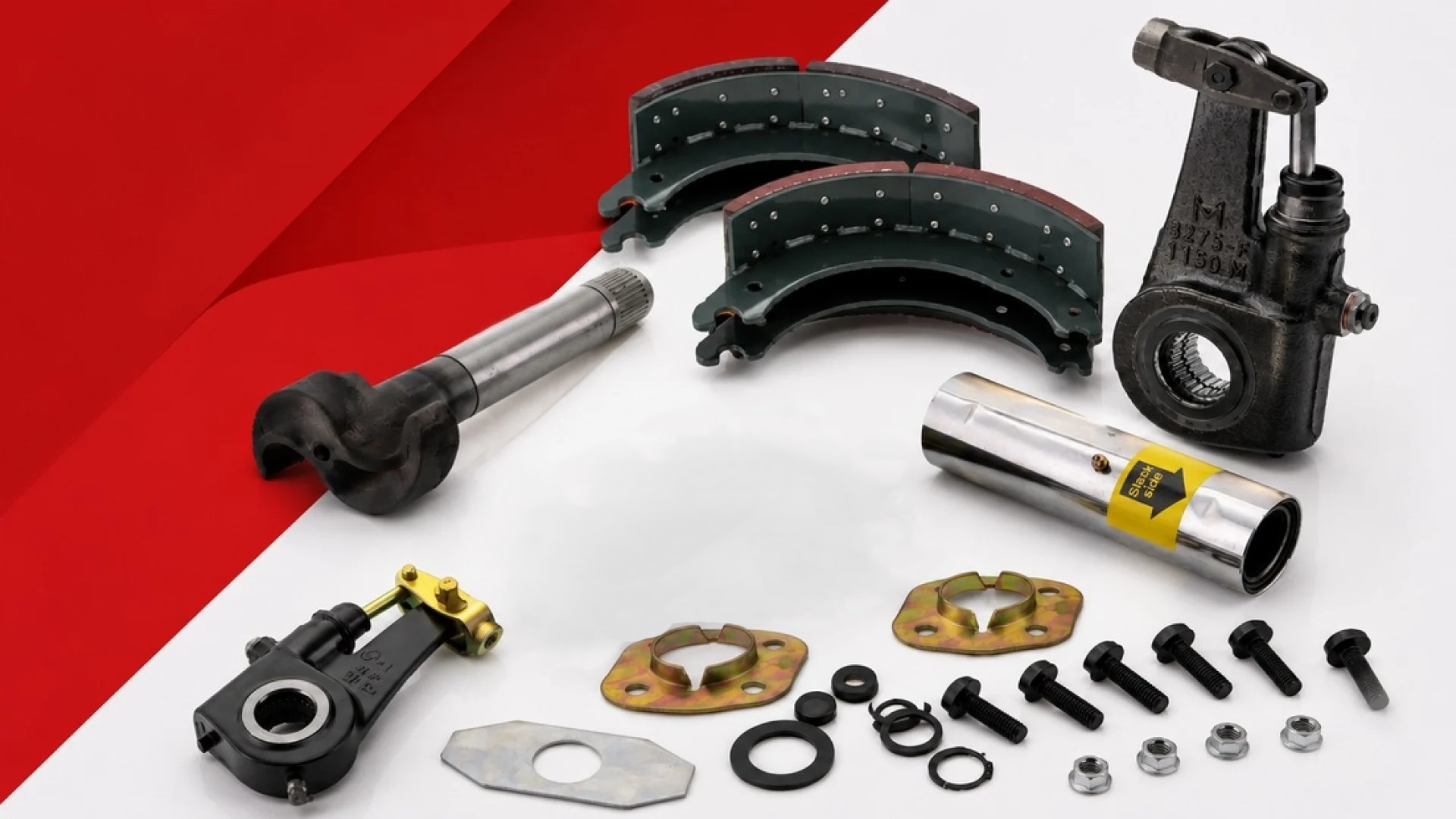
Brake systems work together, not as individual parts
As fleets prepare for CVSA Brake Safety Week, August 23-29, now is the time to evaluate brake systems and address potential wear issues before inspectors take a closer look. During this seven-day inspection and enforcement initiative, certified inspectors across the U.S., Canada and Mexico will conduct commercial vehicle inspections with a focus on brake systems and components. Vehicles found with brake-related out-of-service violations may be removed from service until repairs are completed.
The components of a commercial vehicle's braking system work together to deliver safe, reliable stopping performance. In air disc brake systems, brake pads, rotors and calipers generate and apply the friction needed to slow the vehicle. In drum brake systems, brake shoes, drums, S-camshafts, slack adjusters and related hardware work together to create and control braking force. When one component is worn enough to replace, the surrounding parts deserve a closer look. In a busy shop, it can be tempting to replace the part that looks worn, close the repair order and get the vehicle back on the road. That may solve the immediate problem, but it does not always restore the brake system to the performance fleets expect.
At Cummins Inc., we approach brakes as a complete system because that is how they work on the vehicle. A new brake pad still depends on a caliper that moves freely. New shoes still rely on hardware, S-cams and slack adjusters doing their job. A fresh friction surface still needs a drum or rotor that supports smooth, predictable braking.
Replacing one part without checking the rest can turn today’s repair into even more downtime tomorrow.
What happens when only one component is replaced?
Partial repairs can create a false sense of progress. The visible wear is gone, but the cause of the wear may still be there.
For example, new brake pads installed against a rotor with deep grooves or heat checking may not make the smooth contact they require. The pads can wear unevenly, create noise or lose service life. In an air disc brake system, a caliper that does not slide freely can cause tapered pad wear or keep the brake from applying and releasing as intended.
Drum brakes can face the same problem. New shoes may not perform as expected if return springs are fatigued, rollers are worn, bushings are loose or an automatic slack adjuster is no longer maintaining proper clearance. A worn drum can also reduce contact quality and shorten the life of the new shoes.
When the system is not working together, the results can show up as uneven braking, faster wear, noise, vibration, excessive heat or longer stopping distances. Sometimes the clearest sign is another visit to the shop sooner than planned.
That is why a complete brake job can be the lower-cost choice over time. Replacing an additional worn component during planned maintenance is often easier than bringing the same vehicle back for a repeat repair to avoid downtime.
Why complete brake repairs improve safety and uptime
Brake safety is about system performance, not just individual parts. A complete repair helps the system work as it was designed to work.
When technicians inspect the full wheel end, they are looking for balance. Brake components should apply, release and wear in a predictable way. That predictability helps drivers, supports vehicle control and gives fleets more confidence in each maintenance interval.
Complete repairs can also help replacement parts last longer. New friction material has a better chance of reaching its expected service life when the components around it are in good condition.
Pads depend on retainers, springs, bushings and calipers that move properly. Shoes depend on drums, rollers, pins, springs, S-cams and slack adjusters that support consistent contact and release.
For fleets, the payoff is real. A more complete repair can reduce repeat work, improve uptime and help maintenance teams spend less time chasing the same brake issue on the same vehicle, ultimately reducing the total cost of ownership. The goal is not to do more brake jobs, it’s to make each brake job count more.
Knowing when it’s time to look beyond the obvious repair
Some brake problems announce themselves clearly. Others leave clues.
Uneven wear is one of the most important signs. Tapered pad wear in an air disc brake system may point to caliper or slide pin issues. Uneven shoe wear on a drum brake may signal worn hardware, poor adjustment, S-cam wear or a drum condition that needs attention.
Other warning signs can appear during inspection or operation. A vehicle may pull during braking. A rotor may show blue discoloration from excessive heat. A drum may be scored. A driver may report repeated noise, vibration or a brake that seems to return slowly after application. Grease, moisture or debris can also contaminate friction material and reduce braking efficiency.
Repeat repairs on the same wheel end deserve special attention. If the same vehicle keeps coming back for brake work, replacing the most obvious worn part may not be enough. The better move is to inspect the full system and ask what caused the wear in the first place.
For drum brakes, that means looking beyond the shoe to the drum, slack adjuster, S-cam and hardware. For air disc brakes, it means looking beyond the pad to the rotor, caliper, slide pins, boots, retainers and chambers.
A complete repair protects more than your brakes
Every brake component impacts the performance of the others. When one part is weak, worn, stuck or out of adjustment, the rest of the system can feel the effect.
Looking beyond the obvious repair helps protect safety, reduce downtime and get more value from every maintenance interval. It also helps technicians make better decisions while the vehicle is already in the shop, rather than waiting for a related part to fail later.
A complete brake repair does not mean replacing parts that do not need to be replaced. It means inspecting the full system, understanding how each component affects the others and repairing what is needed to restore reliable braking performance.
For fleets, that approach supports safer vehicles, more predictable maintenance and better uptime. For drivers, it supports confidence every time they press the pedal. And for service teams, it helps turn a brake repair into what it should be: a complete system check that keeps the vehicle ready for the road.
With inspectors paying particular attention to drums and rotors during this year's Brake Safety Week, now is an ideal time for fleets and service providers to evaluate the entire brake system. Taking a comprehensive approach to brake maintenance can help support vehicle readiness, inspection compliance and dependable stopping performance.
To learn more about how a complete brake job can help keep fleets on the road, visit MeritorPartsXpress.com.
Author Profiles