Making Marine Decarbonization Practical
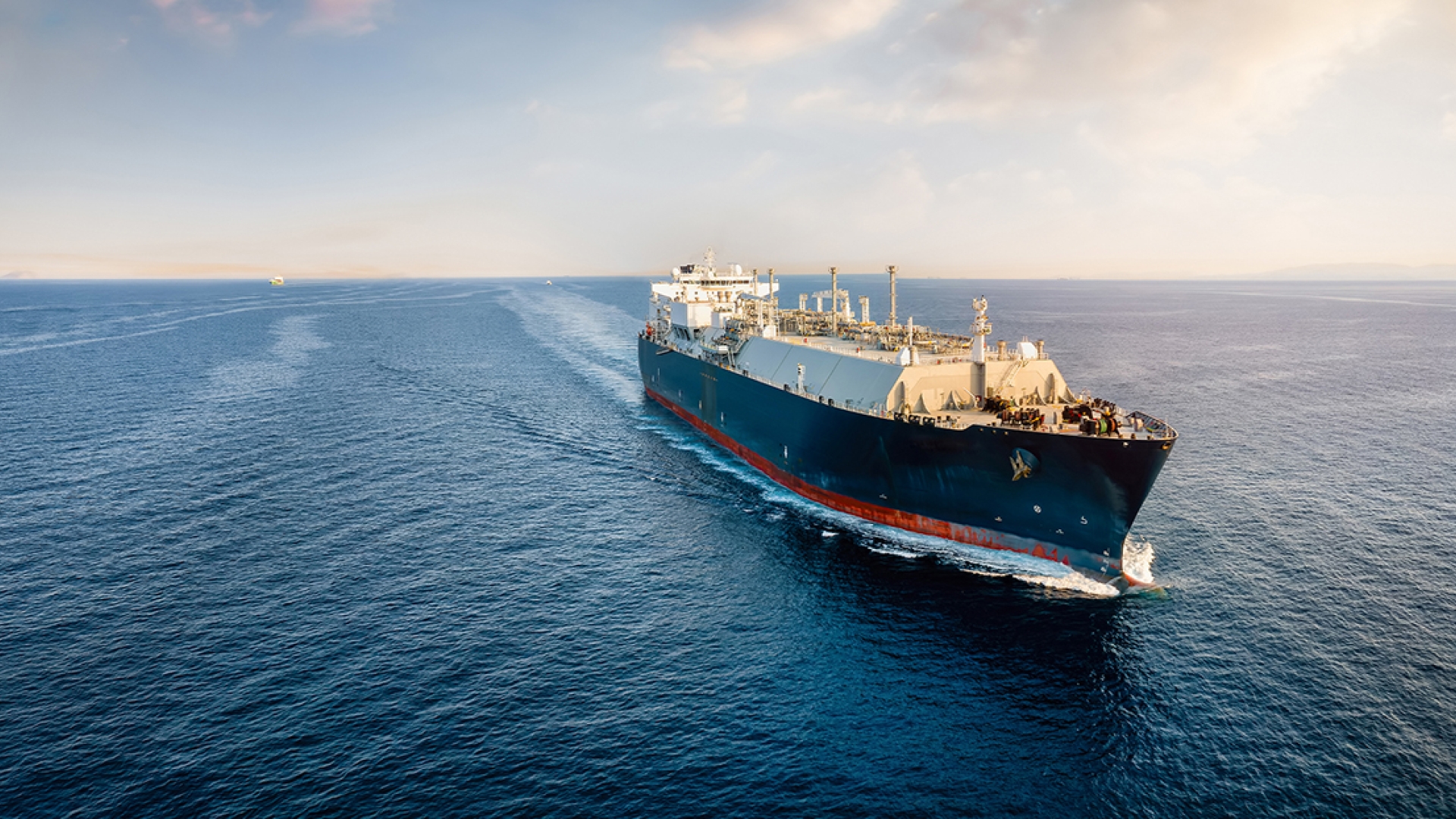
Vessel owners and operators face many headwinds when it comes to reducing their carbon footprints. Regulations and incentives vary widely between countries, while upfront costs, space constraints and weight considerations must be balanced against potential benefits.
Even if your regular ports of call aren’t in regions with strict emissions requirements, there are good reasons to consider decarbonization. Vessels with alternative power sources can realize substantial savings from fuel and carbon costs. A growing number of financing options are now linked to sustainability targets, including tax incentives, loans from government programs and private institutions, funding for fleet renewal and retrofitting, and lower interest rates for greener fleets. We’re also seeing more mission contracts that require vessel operators to provide evidence of carbon reduction.
Fortunately, you don’t need expensive or complex technologies to make positive changes, even with the equipment you have today. There are practical steps and bridge solutions that can have immediate impacts on your greenhouse gas emissions and overall carbon footprint. Best of all, these solutions have virtually zero impact on the demonstrated durability and reliability of Cummins marine engines.
Low-Carbon Fuels
Drop-in replacements for diesel fuel can have immediate impacts on your carbon footprint. Cummins engines are approved for use with hydrotreated vegetable oil (HVO) and biodiesel blends up to B20 in engines without aftertreatment systems. This flexibility helps operators adopt low-carbon fuels without major equipment changes.
Dual-fuel systems are allowing other alternatives to be explored — including methanol, ethanol and ammonia — while preserving the ability to run on diesel or drop-in replacements when alternatives aren’t available. These fuels have strict storage and handling requirements but still drive engines in familiar, mechanical ways.
Although no single “fuel of the future” has yet emerged for the marine industry, the options are growing as infrastructure expands and large industry players make long-term commitments.
In much of South America, for example, HVO and other biofuels are well understood and supported by decades of experience. In particular, key ports in Brazil and Chile are already becoming important hubs for renewable marine fuel bunkering; others will be candidates for fuel diversification in the near future. These developments support wider global adoption for operators of all sizes.
In addition, at least one large cargo shipping company has committed to methanol. It’s equipping new vessels with dual-fuel technology and building out fueling installations in its major ports. The resulting infrastructure from initiatives like these is helping to drive availability and support for low-carbon fuels, making them more viable for small and medium operations.
Hybrid and Electric Systems
Hybrid systems combine diesel engines with a source of electric power, often rechargeable batteries. This pragmatic combination can reduce emissions while maintaining the operational flexibility many vessel operators require.
Fuel can account for approximately 70 percent of a vessel's operating expenses. As a result, diesel-electric technology can be a smart upgrade or retrofit for an existing ship that delivers tangible, measurable benefits.
Even if battery power can’t cover a given vessel’s entire operational profile, a smaller electric “harbor set” can save you thousands of dollars a year by allowing the vessel to operate during idle or low-power periods with fewer diesel engines running. Opportunities to reduce fuel consumption can be found when vessels are loitering at anchorage or operating in port, where hybrid systems can supplement diesel power during lower-demand operating conditions.
Greener Port Facilities
Ports offer significant opportunities to improve efficiency, particularly when marine assets are viewed as part of a broader operating ecosystem.
Unlike vessels — which benefit from retaining as much operational flexibility as possible — port support vessels and other infrastructure, such as material handling equipment, have more limited jobs. While vessels often represent the largest share of emissions, many port applications remain diesel powered and may be easier to transition to alternative energy sources.
For example, if a port has an HVO fueling infrastructure for refueling boats, the same fuel could also be used to power all the diesel engines in the facility. Other applications might be cherry-picked for hybridization or even fully battery-electric solutions where suitable.
Ports are also a good potential source for partnership opportunities. For example, many ports will help operators create and submit grant applications. At the same time, evolving regional regulations, fuel availability and geopolitical factors may influence which alternative fuels are practical in different markets. As a result, fuel flexibility can be an important consideration for vessels that operate across multiple ports and regions.
Proven Alternatives Are Available Today
With Cummins marine engines, you don’t need to wait for new decarbonization solutions to come along. Bridge technologies are backed by years of operational experience and data from thousands of engines.
End users on land and sea trust the durability and reliability of Cummins solutions powered by alternative fuels and hybrid systems. The best option for each marine application is likely to vary, but the advantages of greener vessels and fleets are more accessible than ever. Cummins remains committed to helping mariners find the most efficient ways to operate with proven, cost-effective strategies.
Author Profiles