What is an Electronic Control Module (ECM) and how does it work?
Originally published November 2023; Updated August 2026
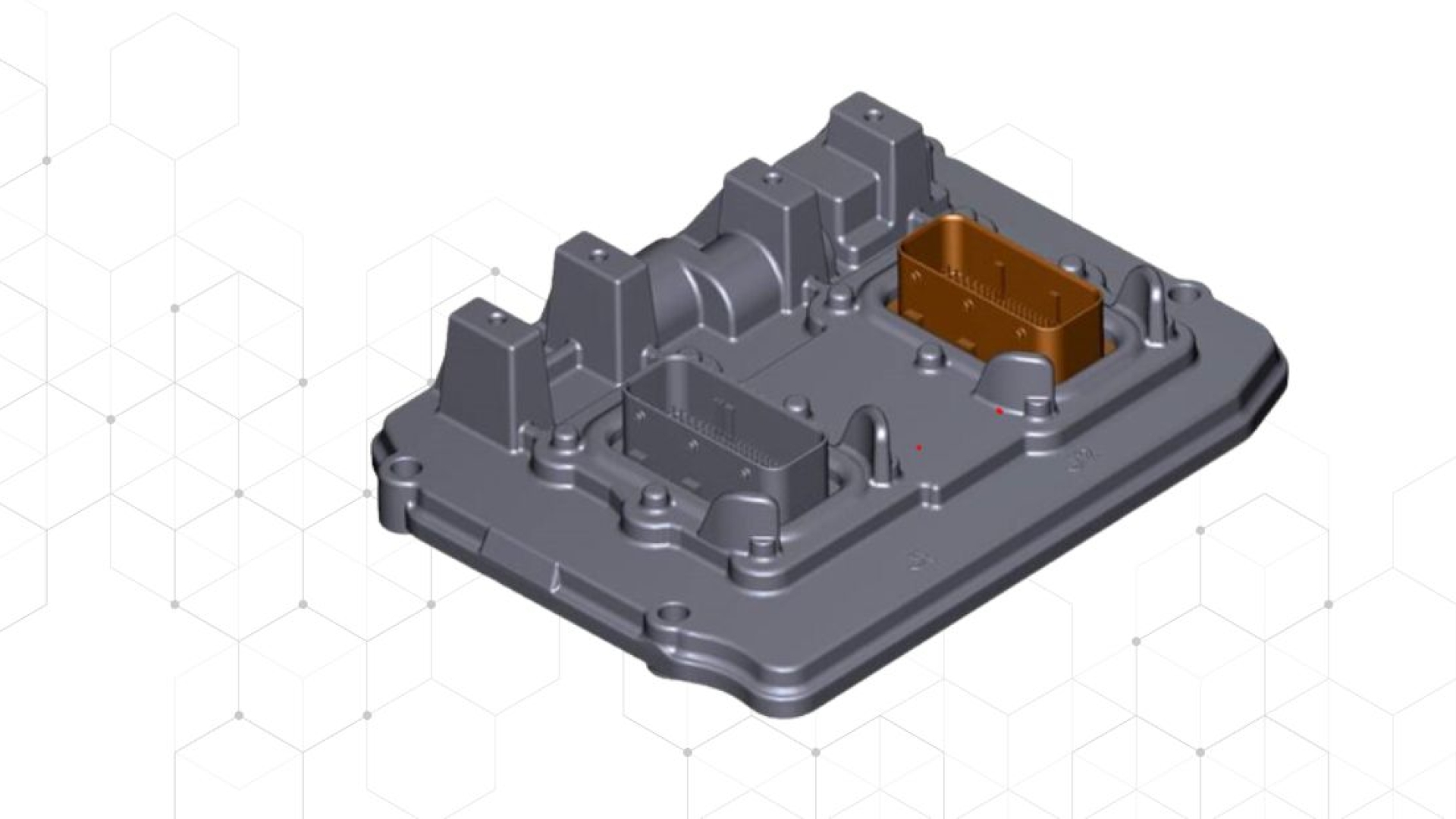
Understanding what helps modern engines operate at their peak performance requires an understanding of their key components. One of the most important is the Electronic Control Module (ECM), which plays a crucial role in optimizing performance, efficiency and reliability across on-highway and off-highway applications.
The ECM also supports diagnostics, helping technicians identify issues and keeping vehicles operating efficiently. To better understand how modern engines work, let's take a closer look at the role of the Electronic Control Module and the components that make it possible.
Role of the Electronic Control Module (ECM) in engines:
In modern engine design, the ECM is like a minicomputer located in the heart of an engine. The ECM ensures the smooth operation of the engine by monitoring and collecting data from sensors positioned throughout the engine and vehicle. This data flow allows the ECM to not only optimize engine performance but also adjust critical parameters like fuel consumption and ignition timing, thereby playing a pivotal role in enhancing engine efficiency while reducing fuel usage.
The ECM also conducts diagnostics, a vital tool for mechanics and technicians to conduct preventative maintenance or troubleshoot if issues arise. In the event of an engine malfunction, the ECM records a series of unique fault codes that are specific to the problem. Technicians can access these codes, providing them insights into the nature of the problem and enabling quick repairs.
Overall, the ECM functions as the engine’s brain as it continuously assesses, adjusts, and records the performance of engine processes. By choosing engines equipped with ECMs, operators can ensure their vehicles remain efficient and dependable, keeping them on the road or at a job site for longer.
What are the components of the Electronic Control Module (ECM)?
Microcontroller: The microcontroller acts as the central processing unit in a computer. It controls and coordinates the actions of all other components in the system. As the brain of the ECM, it receives raw data from various sensors located throughout the engine. The microcontroller processes this data and converts it into actionable insights. This allows the engine to respond to different operating conditions and demands. For example, the microcontroller can help adjust the ignition timing to optimize the combustion process and reduce the release of pollutants.
Memory: The ECM's memory includes read-only memory (ROM) and random-access memory (RAM). ROM is the permanent storage for crucial software such as the ECM's operating system and firmware, which control the ECM's basic operations. RAM temporarily stores data about the engine's current state, enabling the ECM to adjust engine performance in real time.
At the time of a fault code occurrence, the ECM can record critical engine parameters such as engine speed, intake air manifold temperature and coolant temperature. This information is stored in ROM and can later be accessed by service technicians, providing deeper insights into the nature of the problem.
Input/Output (I/O) ports: The I/O ports are the ECM's communication channels. They connect with the vehicle's sensors and other components, helping enable the flow of data. For example, the ECM receives data about engine speed and temperature from sensors. It then adjusts fuel intake valves or ignition timing as needed, thereby reducing fuel consumption.
Analog-to-Digital Converter (ADC): Microcontrollers need information in a digital format to process data. The ADC converts analog signals from the vehicle's sensors into digital signals for the ECM. For example, it can convert the analog signal from a temperature sensor into a digital format, helping the ECM control the engine's cooling system.
By converting temperature data into digital information, the ADC helps ensure the microcontroller can understand engine temperature values and take corrective actions. This helps the engine run at an optimal temperature, reducing emissions and improving engine life.
Voltage Regulator: The voltage regulator maintains a steady voltage supply from the vehicle's battery to the ECM. A constant voltage supply is essential for the ECM to perform tasks accurately and reliably, such as maintaining optimal engine speed under various load conditions. This helps reduce emissions by ensuring the engine's electrical system operates efficiently.
Clock: The clock synchronizes the microcontroller within the ECM. By keeping the ECM's operations properly timed, it helps ensure smooth engine operation. The clock also helps determine the precise firing of spark plugs, which is vital for proper engine combustion. If spark plugs do not fire at the right time, combustion can be incomplete, leading to increased emissions.
Power Capacitor: The power capacitor stabilizes the ECM's voltage supply during sudden changes or voltage spikes. This stability is critical for maintaining the ECM's accuracy and reliability. For example, when a truck suddenly accelerates, the power capacitor can throttle the voltage being sent to the ECM, helping prevent overload and allowing the ECM to continue functioning correctly.
How do the components of the Electronic Control Module (ECM) vary across vehicle technologies?
The fundamental components of an ECM are similar in diesel, hydrogen internal combustion engine (ICE) powered vehicles, battery electric vehicles (BEVs) and fuel cell electric vehicles (FCEVs). However, the ECM components in BEVs and FCEVs must be designed to manage high-voltage and high-current applications.
In an electric vehicle, the ECM controls and monitors various systems, including the electric motor, battery functions (e.g., state of charge and state of health), charging systems, DC-DC and AC-DC converter.
In an FCEV, the ECM also controls and monitors systems such as the hydrogen supply, air system, thermal and water management systems, and storage system.
Cummins offers a range of Electronic Control Modules to suit a variety of applications. Cummins’ ECMs can work with diesel, natural gas, battery electric, fuel cell technology, as well as after-treatment systems.
Frequently asked questions
The ECM functions as the engine's brain. It monitors and collects data from sensors positioned throughout the engine and vehicle, helping optimize engine performance and adjust critical parameters such as fuel consumption and ignition timing.
In the event of an engine malfunction, the ECM records unique fault codes specific to the problem. Technicians can access these codes to gain insight into the nature of the issue and perform repairs.
The main components of an ECM are:
- Microcontroller
- Memory
- Input/Output (I/O) ports
- Analog-to-Digital Converter (ADC)
- Voltage Regulator
- Clock
- Power Capacitor
The microcontroller acts as the central processing unit in a computer. It controls and coordinates the actions of all other components, processes data from sensors and converts that data into actionable insights.
The fundamental components of an ECM are similar across diesel, hydrogen internal combustion engine (ICE), battery electric vehicle (BEV) and fuel cell electric vehicle (FCEV) applications. However, ECMs in BEVs and FCEVs must be designed to manage high-voltage and high-current applications.
Author Profiles