Suspension maintenance guide: 5 components to inspect for a smoother ride
Originally published June 2025; Updated August 2026
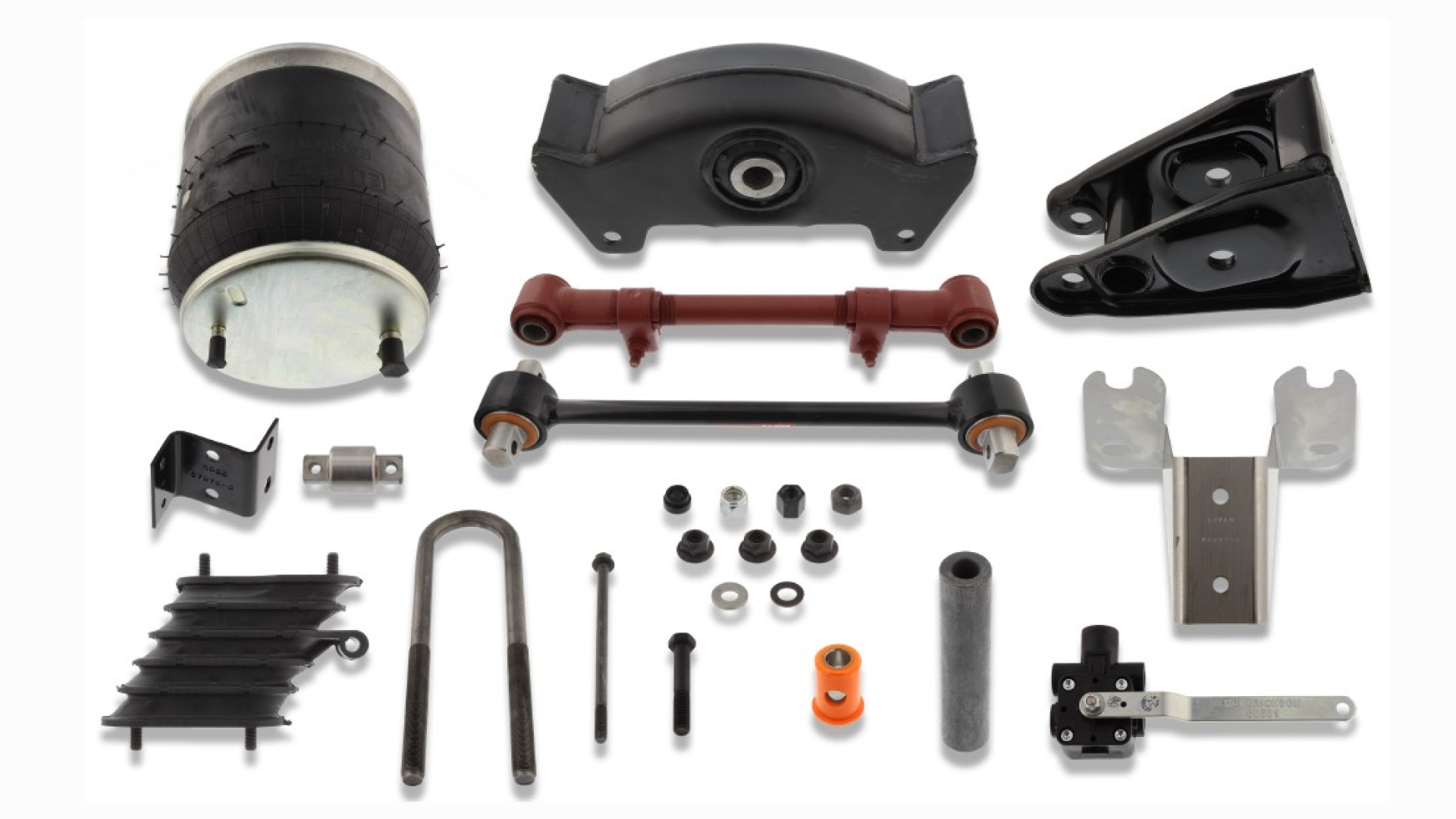
What is suspension maintenance?
Suspension maintenance is the process of inspecting, maintaining, and replacing worn suspension components to help preserve ride quality, vehicle stability, proper alignment, and safe handling. Regular suspension inspections can help extend vehicle life, reduce downtime, improve driver comfort, and prevent costly repairs.
Your vehicle’s suspension system does more than just provide a comfortable ride; it plays a critical role in keeping your vehicle stable, aligned, and performing at its best. Every bump, pothole, and turn puts pressure on suspension components. Over time, wear is inevitable.
That is why regular suspension maintenance and knowing when to replace key components is key to extending vehicle life, improving ride quality, and preventing costly repairs down the road.
At Cummins, trusted aftermarket suspension solutions are available through the Meritor®, Euclid®, and GAFF® brands. From bushings and shock absorbers to air springs and hardware, these components are engineered to perform in demanding real-world applications.
Below are five suspension components that should be inspected regularly to help maintain performance, comfort, and reliability.
1. Bushings: the silent protectors of your suspension
Bushings may be small, but they serve a big purpose. They are rubber or polyurethane parts designed to absorb vibrations and reduce friction between suspension parts. They protect your system from wear while keeping everything aligned and operating quietly.
Signs of worn bushings:
- Clunking or knocking sounds over bumps
- Uneven tire wear
- Excessive movement in suspension components
As bushings wear, ride quality can decline and suspension responsiveness may be reduced.
Maintenance tip: Inspect bushings regularly and replace them when cracks, tears, or separation become visible.
2. Shocks: ensuring stability and control
Shocks absorbers are essential for keeping your wheels in contact with the road. They manage the impact of bumps and dips while minimizing vehicle bounce and sway. When your shocks are in good shape, your vehicle handles better and stops more predictably.
Signs it’s time to replace:
- Excessive bouncing after hitting a bump
- Fluid leaking from the shocks
- Nose diving or swaying during braking and turns
- Increased stopping distance
Maintenance tip: Shocks should be inspected every 50,000 miles, or sooner if you notice symptoms. When replacing your shocks, they should be replaced in pairs to maintain suspension balance. Replacing worn shocks improves safety, ride comfort, and overall handling.
3. Air springs: comfort and load support
Air springs play a crucial role in maintaining consistent ride height and vehicle stability, particularly when carrying heavy loads. They automatically adjust to varying road conditions, ensuring optimal comfort and load support.
Signs of air spring failure:
- Sagging suspension on one side or corner
- Uneven ride height
- Air leaks or visible cracks in the rubber
Driving with a compromised air spring can strain your entire suspension system and reduce ride comfort. Replacing damaged air springs is key to preserving vehicle balance and preventing further wear on axles and other components.
Maintenance tip: Routinely check for visible wear, air leaks, and listen for hissing sounds that indicate escaping air. When replacing your air springs, it’s recommended to replace your shocks as well to prevent premature failure.
4. Springs: the backbone of your suspension
Steel springs—whether leaf or coil—are the foundation of your suspension. They carry the weight of the vehicle and absorb road shock to provide a smoother ride and better handling.
Signs it’s time to replace springs:
- Drooping or uneven ride height
- Poor handling or excessive body roll
- Broken or cracked spring leaves
When springs begin to sag or break, the entire suspension can suffer. Replacing worn springs not only restores ride height but also ensures safe handling and load control.
Maintenance tip: Inspect the full length of each spring for cracks, corrosion, and misalignment, especially after winter driving, which can accelerate wear.
5. Fasteners: small components, big impact
Fasteners, such as bolts, nuts, and clips, hold your entire suspension together. While they may seem minor, these components are essential for keeping everything securely mounted and properly aligned.
Why fastener maintenance matters:
- Loose or corroded fasteners can cause suspension misalignment
- Missing or damaged bolts may lead to premature component failure
- Regular torque checks prevent system loosening over time
Corrosion from winter salt and moisture can weaken fasteners. Routine inspections and replacements are a small investment that pays off in suspension longevity and vehicle safety.
Maintenance tip: During every inspection or part replacement, verify that all fasteners are properly tightened and show no signs of rust, wear, or stripping.
Suspension maintenance quick reference
| Component | Primary Function | Common Warning Signs | Why Replacement Matters |
|---|---|---|---|
| Bushings | Absorb vibration and reduce friction between suspension components | Clunking noises, uneven tire wear, excessive movement | Helps maintain alignment, ride comfort, and suspension responsiveness |
| Shock Absorbers | Control bounce and keep tires in contact with the road | Excessive bouncing, fluid leaks, nose diving, increased stopping distance | Improves handling, braking performance, and ride quality |
| Air Springs | Maintain ride height and load support | Sagging suspension, uneven ride height, air leaks, cracked rubber | Preserves vehicle balance and helps prevent additional suspension wear |
| Springs (Leaf or Coil) | Support vehicle weight and absorb road shock | Drooping ride height, body roll, cracked or broken springs | Restores ride height, load control, and handling performance |
| Fasteners | Secure suspension components and maintain alignment | Corrosion, looseness, missing or damaged hardware | Helps prevent misalignment, premature wear, and component failure |
Take the guesswork out of suspension maintenance
Knowing what suspension components are on your vehicle and understanding what needs service should not be a guessing game. That is why we offer helpful tools like the Identification Xact Search and the Visual Search tools on MeritorPartsXpress.com.
With these tools, you can:
- Identify suspension parts by make and model
- Cross-reference part numbers
- View exploded diagrams for accurate identification
- Access installation guides and product specs
Whether you are ordering a replacement bushing or rebuilding an entire suspension system, these tools help ensure you get the right part the first time, saving you time and reducing downtime.
Why Meritor and Euclid aftermarket suspension components?
With decades of experience and a reputation for reliability, our suspension components are built to handle the demands of commercial and heavy-duty vehicles. When uptime, safety, and performance matter, we deliver. What you can expect:
- Durability you can trust – Components engineered to OEM standards
- Wide application coverage – Fitment for a broad range of truck models
- Fast availability – In-stock parts shipped quickly to minimize downtime
- Support and service – Backed by a knowledgeable team ready to help
When it is time to replace worn suspension parts, don’t compromise. Meritor and Euclid offer the performance, reliability, and value your fleet depends on.
Ready to roll smoother?
Proactive suspension maintenance is one of the smartest ways to protect your vehicle, improve ride comfort, and reduce long-term repair costs. By keeping an eye on components like bushings, shocks, air springs, and fasteners and replacing them when needed, you will stay safer on the road and avoid costly downtime.
Schedule a post-winter inspection today with your service provider or fleet maintenance team. Then visit meritorpartsxpress.com to browse high-quality aftermarket suspension parts, identify your components with the Visual Search Tool, and order everything you need for a smoother ride.
Frequently asked questions
Suspension components should be inspected as part of a regular preventive maintenance program. Bushings, shocks, air springs, springs, and fasteners should be checked for wear, damage, corrosion, and alignment issues before they affect vehicle performance.
Common warning signs include uneven tire wear, clunking or knocking noises, excessive bouncing, sagging suspension, uneven ride height, poor handling, and increased stopping distance. Identifying these symptoms early can help prevent more extensive repairs.
A properly maintained suspension system helps improve ride comfort, vehicle stability, handling, load support, and tire life. Regular inspections can also help reduce unplanned downtime and extend the life of surrounding components.
When replacing air springs, it is often recommended to inspect and potentially replace shocks as well. Worn shocks can contribute to premature wear of suspension components and may affect overall ride quality and performance.
Key suspension components include:
- Bushings
- Shock absorbers
- Air springs
- Leaf or coil springs
- Fasteners and mounting hardware
Routine inspections of these components can help maintain proper ride height, alignment, handling, and overall suspension performance.
Author Profiles